The Geometry of Sudokutope
Sudokutope as a geometric puzzle
In classical Sudoku, the playing field is a grid of squares, and everything in the puzzle is built around horizontal and vertical structure: rows, columns, and subsquares. Sudokutope starts by changing the geometry of the board itself: the grid is no longer made of squares, but of rhombs (diamonds) arranged in a symmetric tiling.
Once you abandon axis-aligned squares, the familiar idea of row and column has to be rethought. On a rhombic tiling, there are many possible directions you can follow across the board, not just left-right and up-down, and the puzzle rules need to respect that richer geometry.
Rows in Sudokutope
A row in Sudokutope is a sequence of adjacent cells going between opposite sides of the board, where all edges between adjacent cells are parallel. Because there are many possible edge directions in the rhombic tiling, there are many different orientations of rows, not just horizontal and vertical ones.
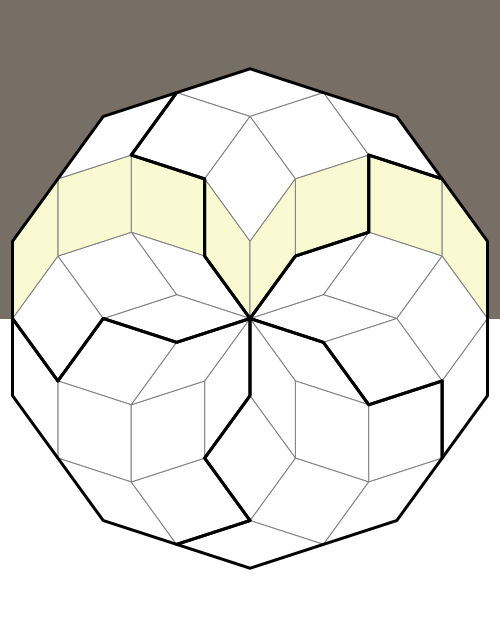
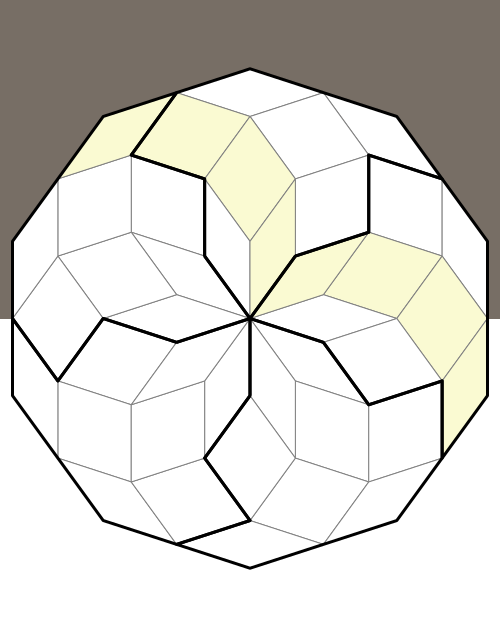
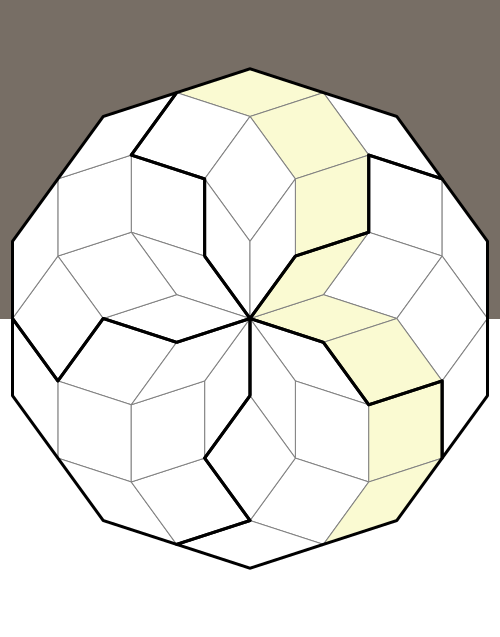
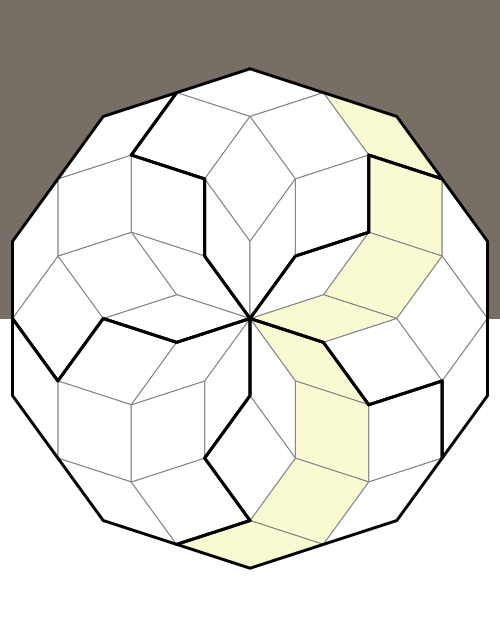
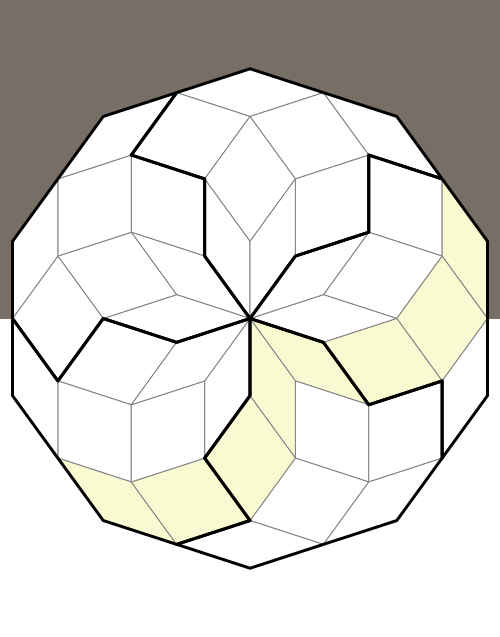
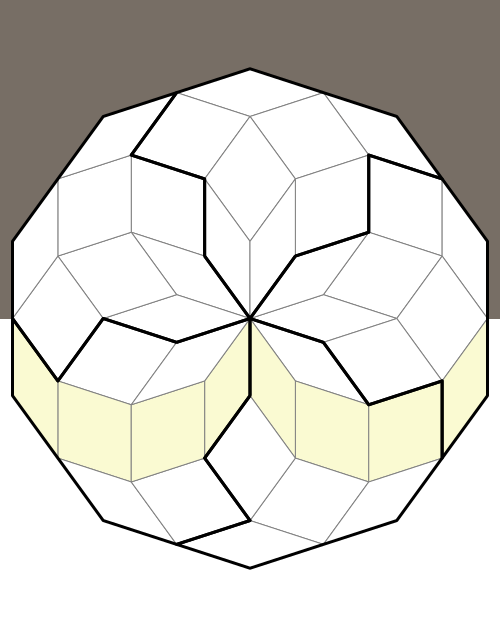
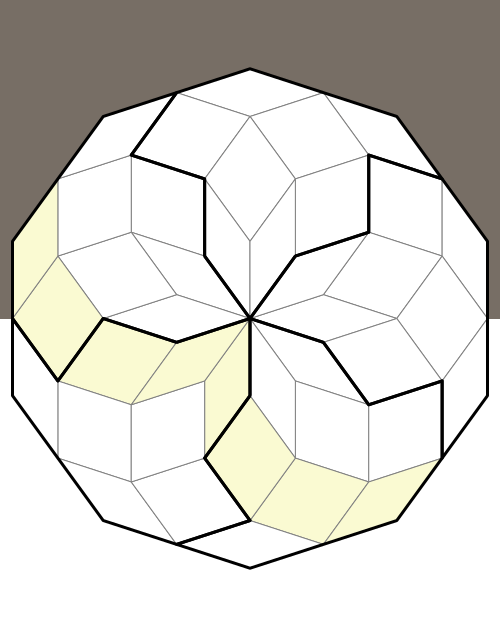
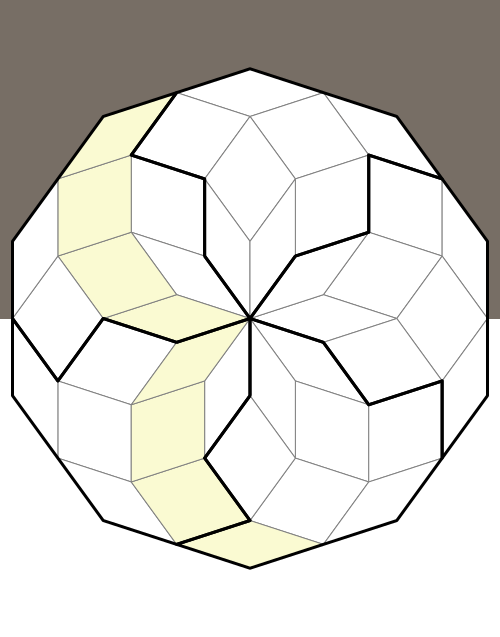
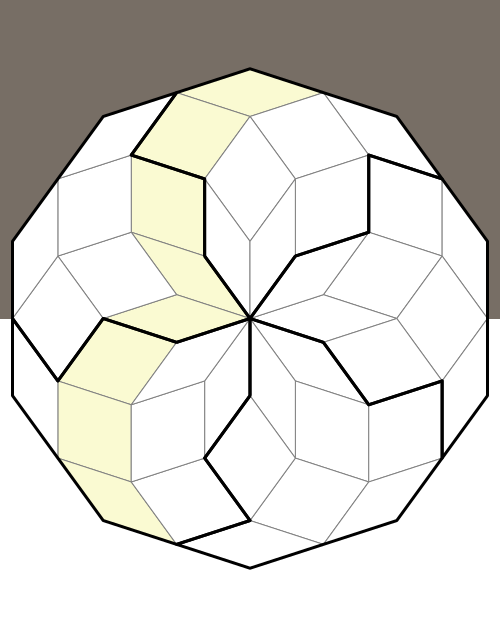
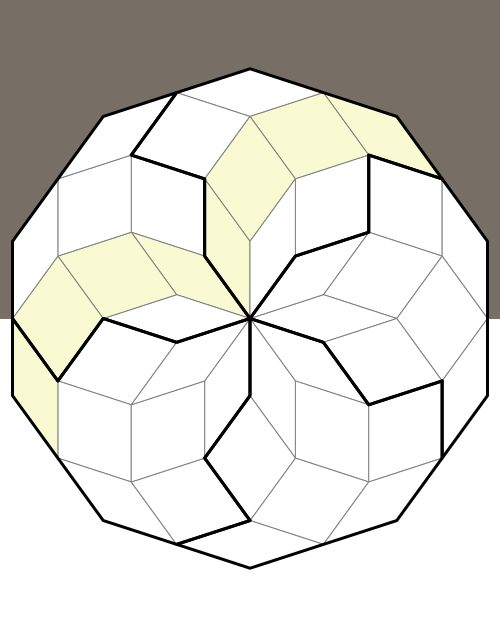
There is no separate notion of a column any more: every linear constraint is expressed in terms of rows in various directions. Any two rows may meet in at most one cell, but some pairs of rows do not meet each other at all, and can be thought of as parallel.
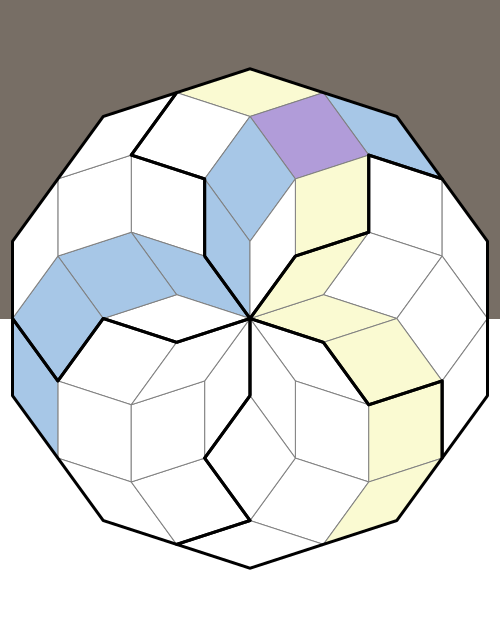
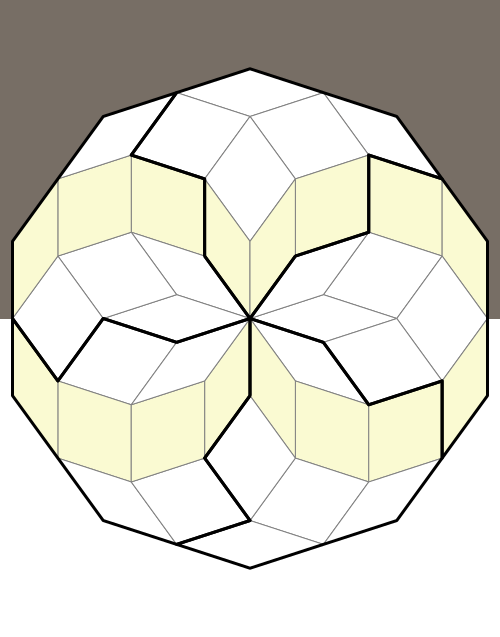
This structure makes the board feel familiar—there are still lines of cells that must all contain distinct values— but the way those lines weave and intersect is genuinely new.